


Shop + Learn


Root & stress support · Soil or water
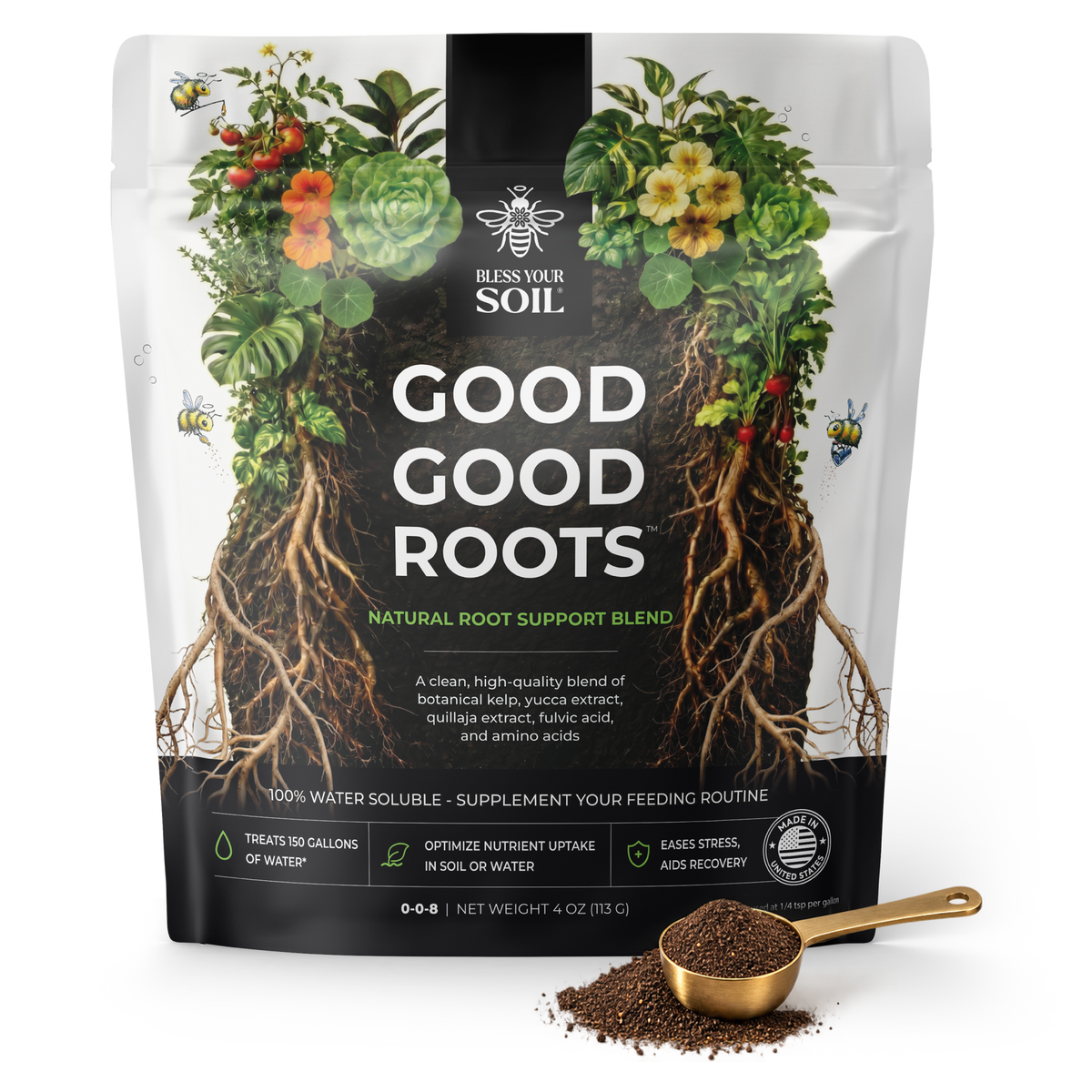
Repotting, propagating, moving, heat waves, the week you forgot to water. Plants feel all of it at the roots. Good Good Roots is a water-soluble blend of sea kelp, fulvic acid, plant amino acids, yucca and quillaja that helps roots take stress in stride, settle in faster and drink evenly.
 Pairs withBig Green Leaves® · feed above, support below→
Guaranteed analysis
Nitrogen (N) 0% · Available Phosphate (P₂O₅) 0% · Soluble Potash (K₂O) 8%
Also contains beneficial substances
Kelp 70% · Fulvic acid 16% · Amino acid complex 10% · Yucca schidigera 1.5% · Quillaja saponaria 0.25%
Derived from Ascophyllum nodosum, leonardite fulvic acid, hydrolyzed soybean protein, Yucca schidigera extract, Quillaja saponaria extract, amorphous silicon dioxide (anti-caking agent).
Good Good Roots is a root and stress support blend that helps plants make better use of the water and nutrients they already have. Kelp helps roots cope with stress, fulvic acid keeps minerals available, amino acids give roots ready-made fuel and yucca + quillaja help water reach every root.
Think of it as the root-side half of your routine: it doesn't replace plant food, it helps the food do its job.
For best results, give Good Good Roots its own watering day and fertilize on a different day.
Your plant can't tell you it's stressed. Until it drops three leaves. Get ahead of it.
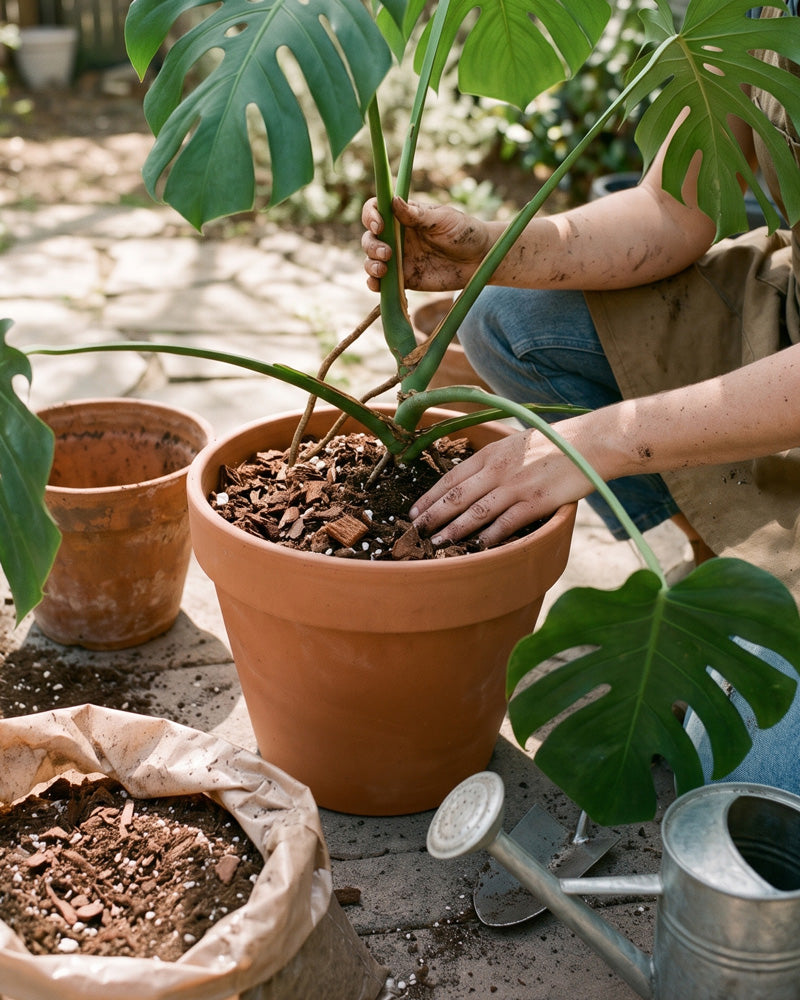
New pot, new soil, same drama. Skip the sulk.
When to useDrench the root ball at repotting and on the next watering.
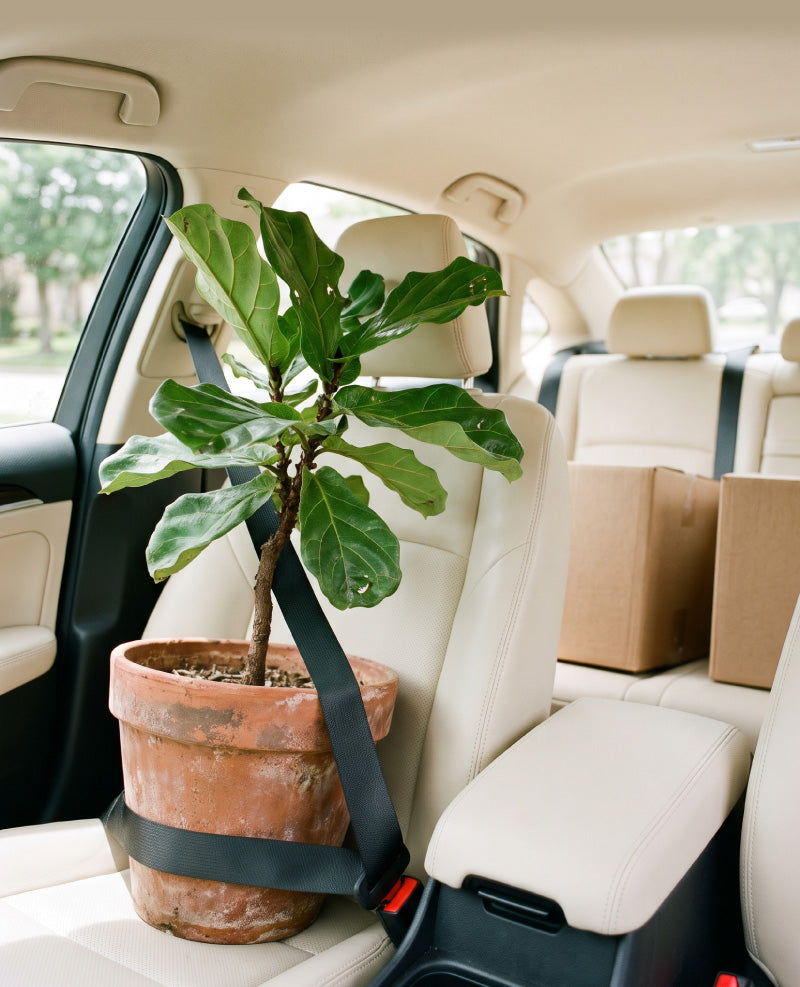
New window, new light, new attitude. Help it settle in.
When to useWater in the week it moves. Fiddle leaf owners, this is your tile.
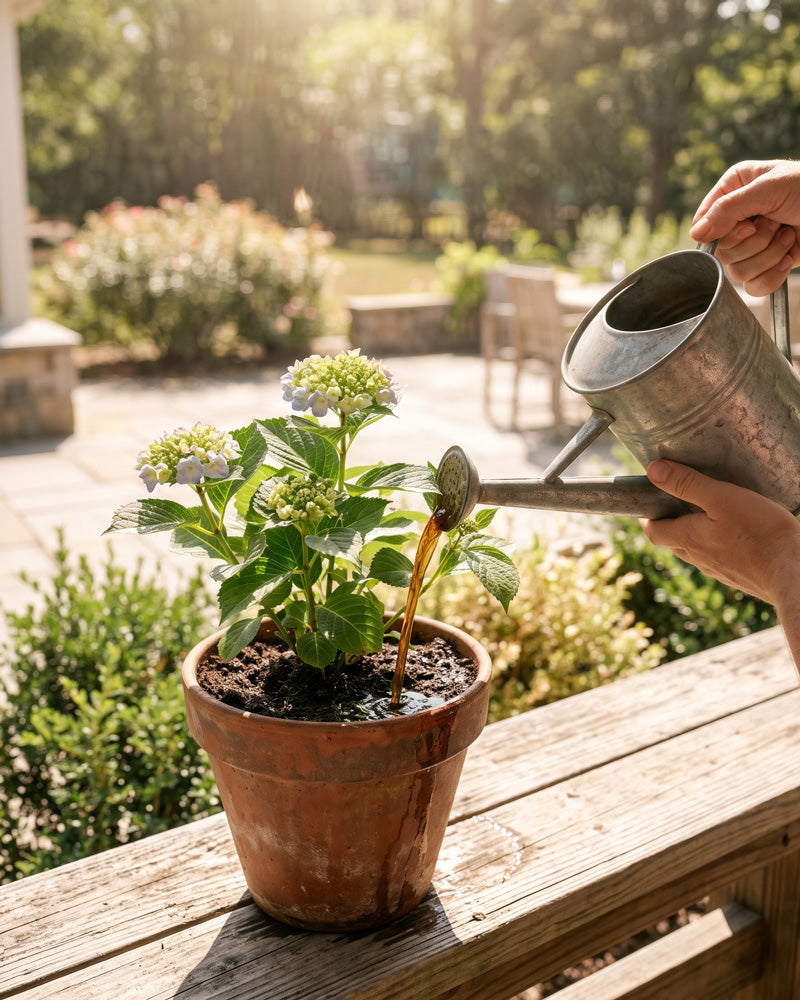
Hot sill, dry air, thirsty roots. Brace before the forecast.
When to useApply ahead of summer heat; repeat every 2–4 weeks.
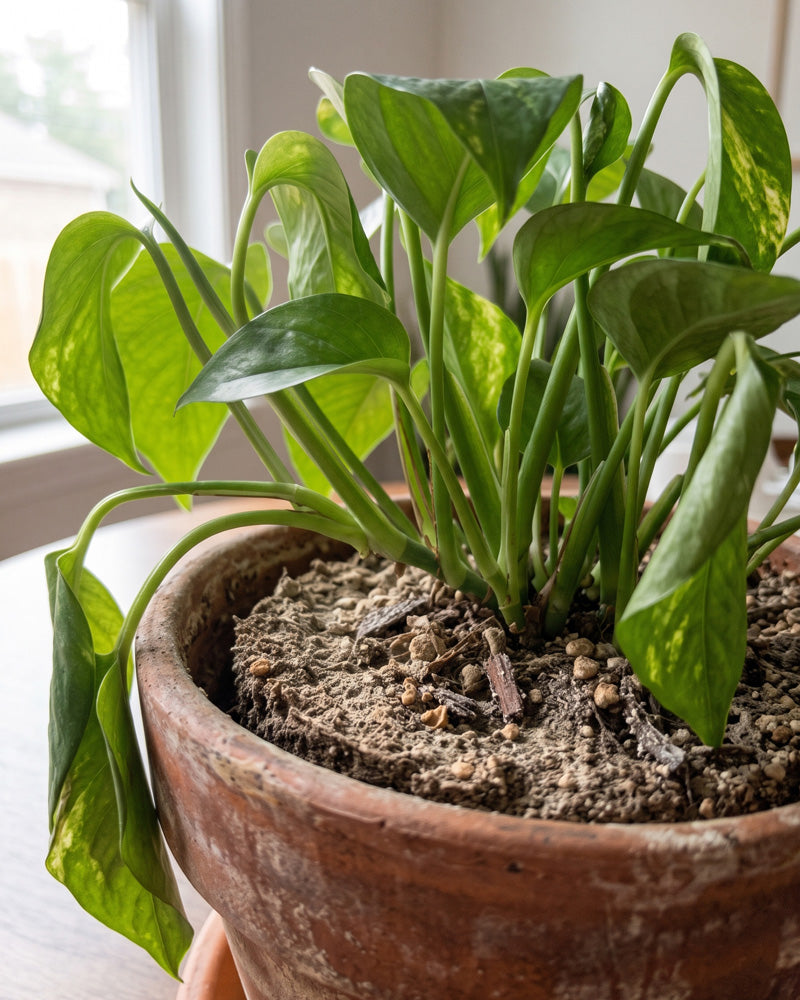
Bone-dry root ball? Water runs right past it. GGR helps it soak back in.
When to useBefore you leave and the first watering back.
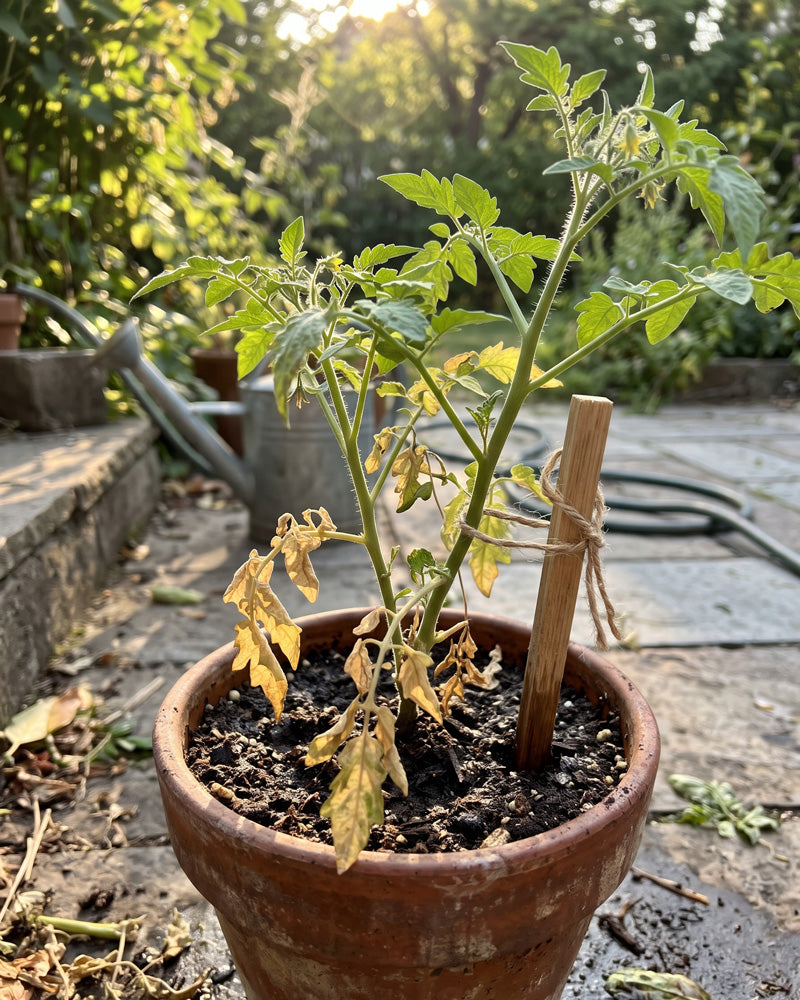
It's not dead. It's dramatic. Give the roots a fighting chance.
When to useRoutine root watering until new growth shows.
What's inside
Four botanical ingredients. One job: help roots hold their ground.
Sea kelp
Stress shield
Cold-extracted North Atlantic Ascophyllum nodosum. Naturally occurring compounds that help plants handle heat, drought and transplant stress, plus potassium for sturdy cell walls.
Plant amino acids
Ready-made fuel
Building blocks plants use as-is. Stressed roots get to rebuild instead of spending energy making their own.
Fulvic acid
Nutrient courier
Grabs trace minerals and keeps them in a form roots can use, so the plant food you already pour in actually gets to work.
Yucca + quillaja
Even hydration
Natural saponins break surface tension, so water soaks into a dried-out root ball instead of channeling down the sides of the pot.
How to use
Pick your rate below.
Stir into a gallon of water. Dissolves clean.
Pour at the base. Root ball and root zone.
| Use | Rate | How often |
|---|---|---|
| Repotting, transplants, cuttings | ½ tsp (1.5 g) / gallon | At repotting and the next watering |
| Routine root care | ⅛ tsp (~0.4 g) / gallon | Every 2–4 weeks |
| Seedlings & young starts | ⅛ tsp (~0.4 g) / gallon | Every 2–3 weeks after true leaves |
| Water culture & hydroponics | 1–2 tsp (3–6 g) / 10 gal | At reservoir changes |
Pro tipGive Good Good Roots its own watering day; feed on the next one.
Below the surface
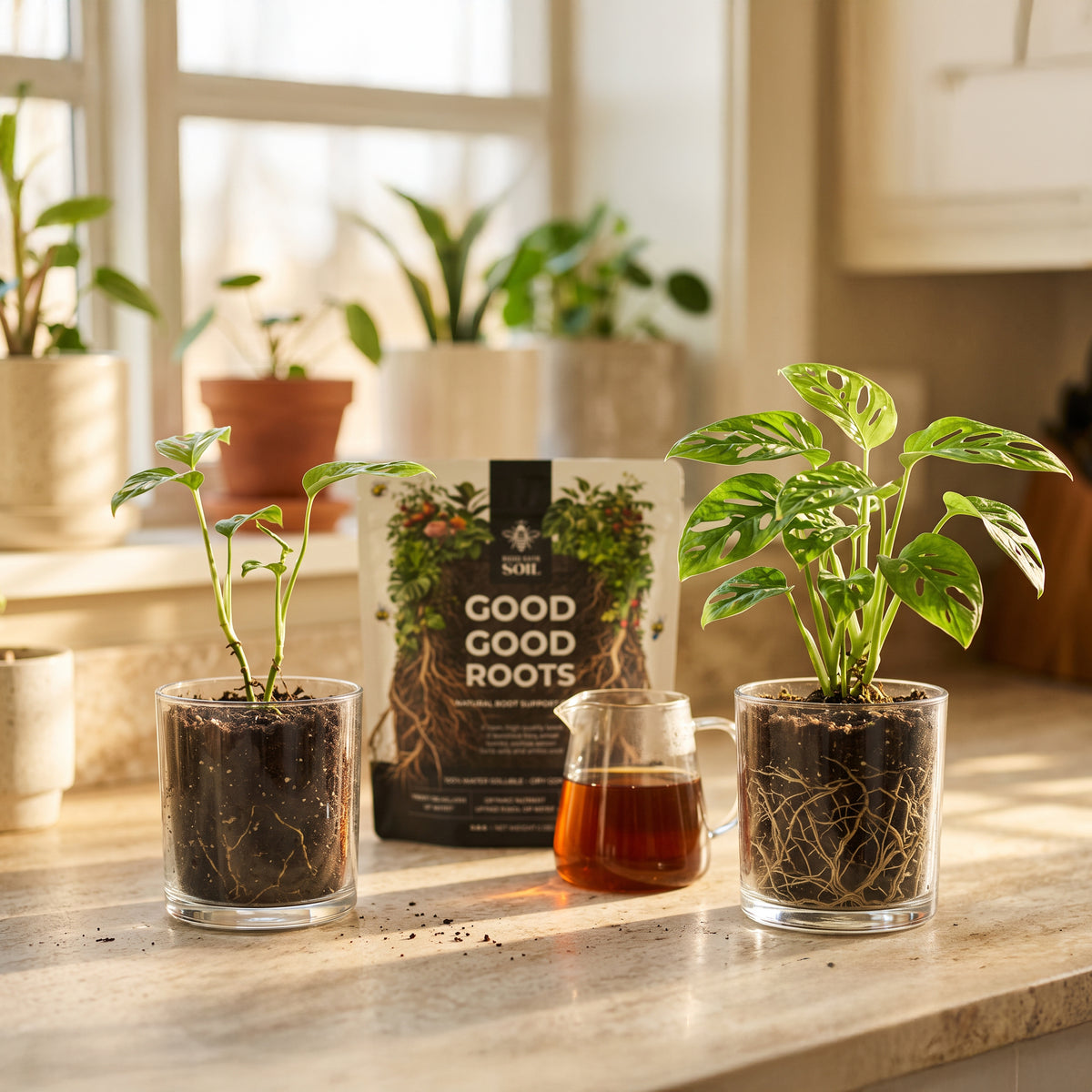
Fine feeder roots, even moisture, nutrients roots can use.
| Situation | What’s happening at the roots | What GGR brings |
|---|---|---|
| Repotting | Fine feeder roots tear; plant pauses top growth to rebuild below. | Kelp + amino acids to support new root growth |
| Moving / light change | Plant rebalances water use; roots can’t keep up with new demand. | Kelp stress compounds + even hydration |
| Heat & dry air | Water demand spikes; minerals bind up as soil dries. | Fulvic acid keeps nutrients available; potassium for water regulation |
| Missed waterings | Dry potting mix repels water; it runs out the drain hole. | Yucca + quillaja rewet the root ball |
| Neglect / comeback | Weak roots, low reserves. | Amino acids as ready fuel; full stack, routine rate |
| Good Good Roots | Plant food | Kelp only | Rooting powder | Wetting agent | |
|---|---|---|---|---|---|
| Sea kelp | ✓ | ✕ | ✓ | ✕ | ✕ |
| Fulvic acid | ✓ | ✕ | ✕ | ✕ | ✕ |
| Plant amino acids | ✓ | ✕ | ✕ | ✕ | ✕ |
| Natural wetting agents | ✓ | ✕ | ✕ | ✕ | ✓ |
| Stress support | ✓ | ✕ | ✓ | ✕ | ✕ |
| Use on established plants | ✓ | ✓ | ✓ | ✕ | ✓ |
| Soil + water culture | ✓ | ✓ | ✓ | ✕ | ✕ |
| Hormone-free | ✓ | ✓ | ✓ | ✕ | ✓ |
Better together
Big Green Leaves feeds the plant. Good Good Roots gets the roots ready to use it. Two jobs, one routine, zero salt pileup.
The routine
Once per month: Good Good Roots
Every time you water: Big Green Leaves
(Reduce during winter and low light.)
What to expect
Good things start below the surface. Here's the order you'll notice them in.
Water soaks into the root ball instead of running out the bottom.
Repotted and relocated plants settle in instead of sulking. Less droop, fewer dropped leaves.
Fuller root systems. Steadier new growth and better color above.
Plants that shrug off the repot, the heat wave and your vacation.
If it has roots, yes. Houseplants, succulents, edibles, propagations, in soil, coco, peat or water. It’s especially good for plants that hate change. Looking at you, fiddle leaf.
Fertilizer feeds. Good Good Roots helps roots handle stress, stay hydrated and actually use that food. Different jobs; better together.
An ingredient that supports how a plant grows and copes, rather than just supplying NPK. In GGR, that’s sea kelp, backed by fulvic acid, amino acids and natural wetting agents.
Every 2–4 weeks for routine root care, and every time something stressful happens: repotting, moving, heat, travel, or a plant on the comeback.
For propagations add it straight to the reservoir and watch the magic happen.
Up to 280 gallons at the routine rate, about 75 gallons at repotting strength. Most people land around 150.
No. No synthetic hormones, no live microbes. Botanical ingredients only, so you can use it on established plants all year.
Yes. It dissolves completely with no residue. 1–2 tsp per 10 gallons at reservoir changes; check pH after.
Our studies showed 5 times faster results but be patient. It happens underground first, then shows up as steadier growth. Stay consistent.
Still wondering? Text a human at (877) 907-3088.
Give your plants that good, good.
90-Day Guaranteed Delight · Free shipping over $49 · Made in USA


